
Dreams and the Ethics of the Self
The Interpretation of DreamsThis thread traces the conflict between moral self-image and the disturbing impulses Freud finds in dreams.
increasing Bearing strength in each event
 decreasing
Bearing strength in each eventdecreasingA Moral Disagreement

A Moral Disagreement
Competing claims
Some writers say moral restraints disappear in dreams; others maintain that character and conscience persist. Freud presents the disagreement as unresolved.
A difficult implication
If dreams express impulses that waking life rejects, their relation to responsibility becomes uncomfortable.
The Dreamer as Witness

The Dreamer as Witness
Unwanted conduct
Dreamers may commit acts in dreams that conflict with their conscious values. Freud asks whether such content reflects a hidden inclination or merely altered mental activity.
A divided answer
The dream becomes evidence to examine, not a simple verdict on the dreamer's character.
Childhood Impulses
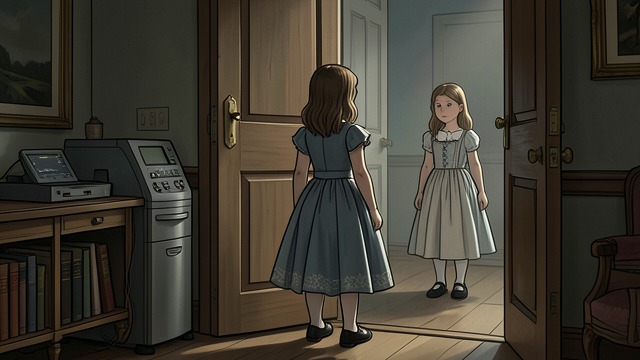
Childhood Impulses
Hostility beside affection
Freud describes early wishes to displace rivals and possess parental attention. Such wishes can coexist with later love and care.
Moral development
The adult's ethical self-image overlays rather than necessarily erases earlier impulses.
Censorship and Self-Protection
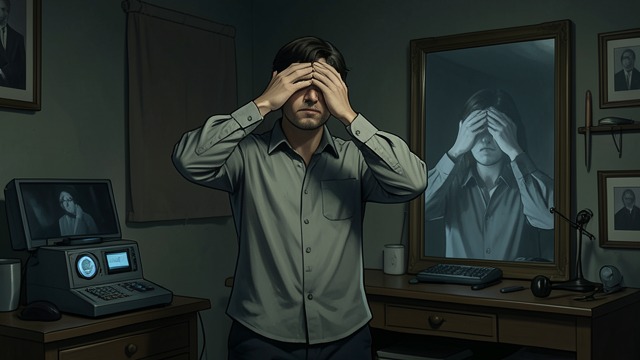
Censorship and Self-Protection
Unacceptable thoughts disguised
Dream distortion protects the dreamer from wishes and judgments that would provoke resistance. Feelings can be muted or turned into their opposites.
Ethics inside the mechanism
The dream's apparent moral inconsistency becomes part of the struggle between psychical agencies.
Responsibility Without Certainty

Responsibility Without Certainty
No simple judgment
Freud does not establish that dream wishes should be treated as equivalent to actions. He distinguishes unconscious impulse from deliberate conduct.
A complicated self
The ethical question remains open, reflecting the book's broader claim that people are not fully transparent to themselves.
During Chapter I's ethics section
In the discussion of immoral dreams
During the discussion of siblings and parents
Across the chapters on distortion and affect
In the book's concluding reflections
